Lake Management Plan - Coming Soon
A lake management plan is in progress and will be published by the end of 2026. It will document the strategy and tactical implementation activities for both annual and long-term management of the lake and ponds.

Water quality monitoring, ecological research and practical stewardship for Lake Leopold and the connected pond system.

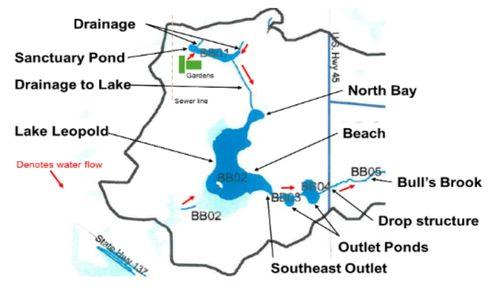
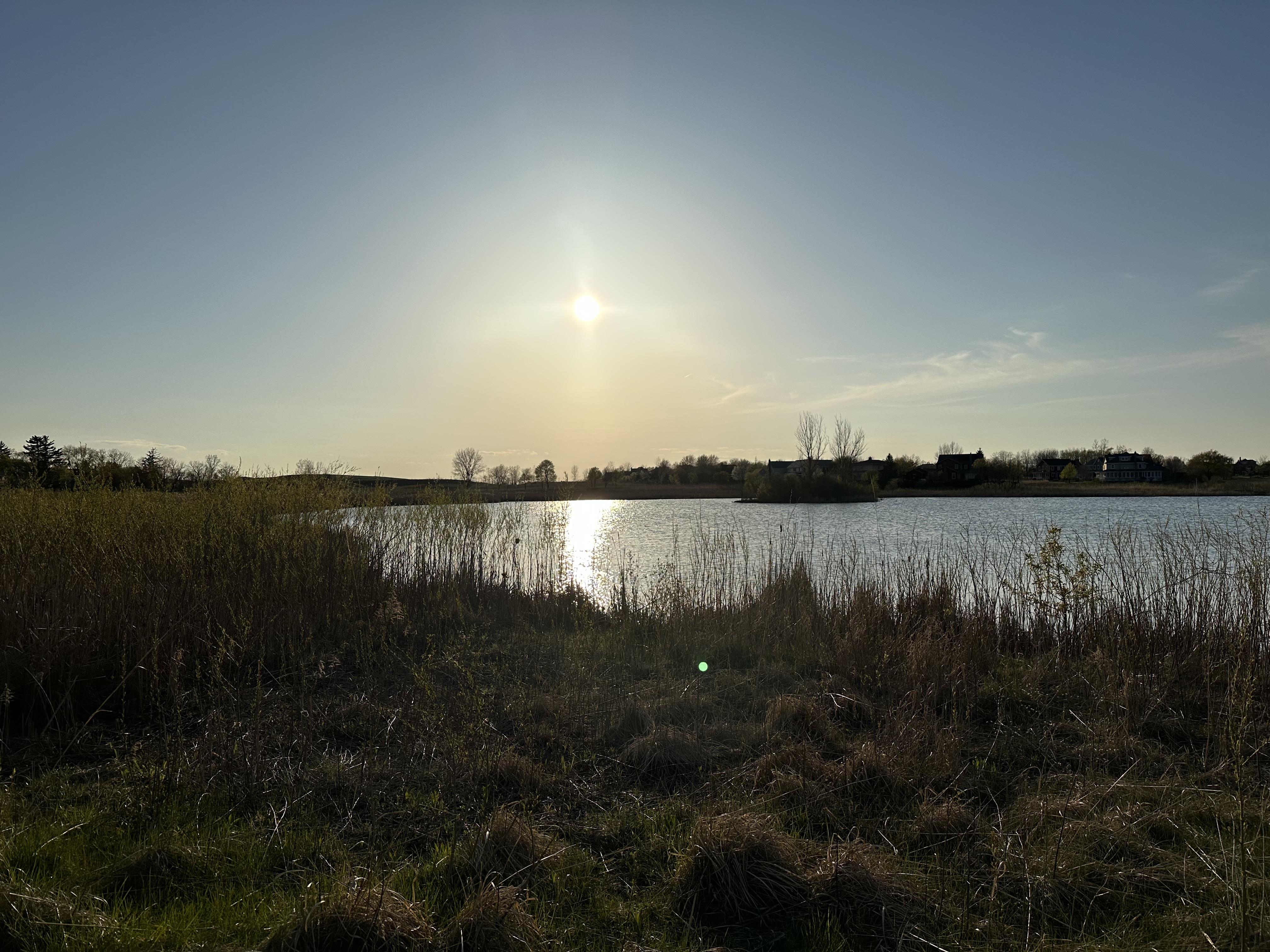
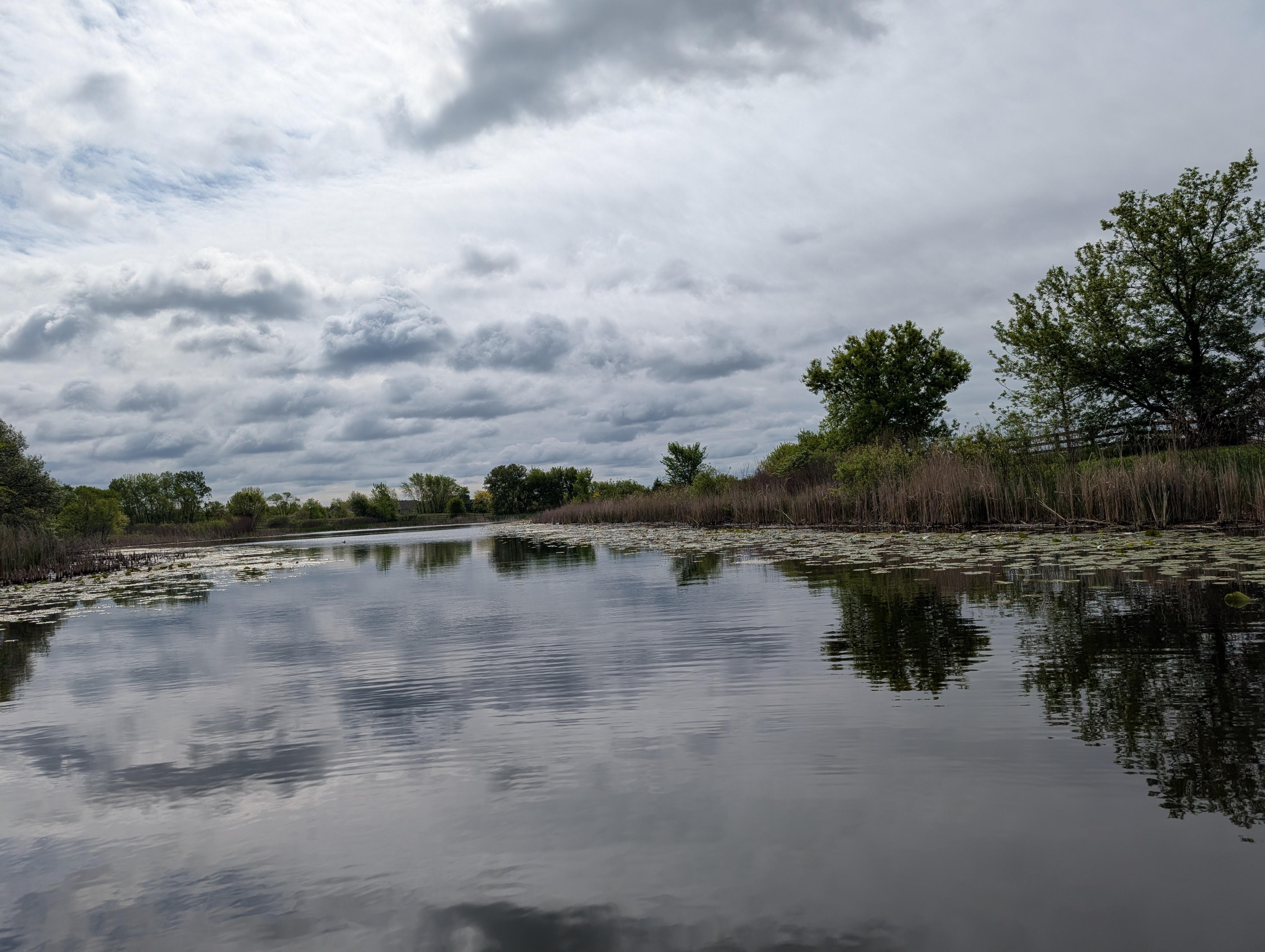
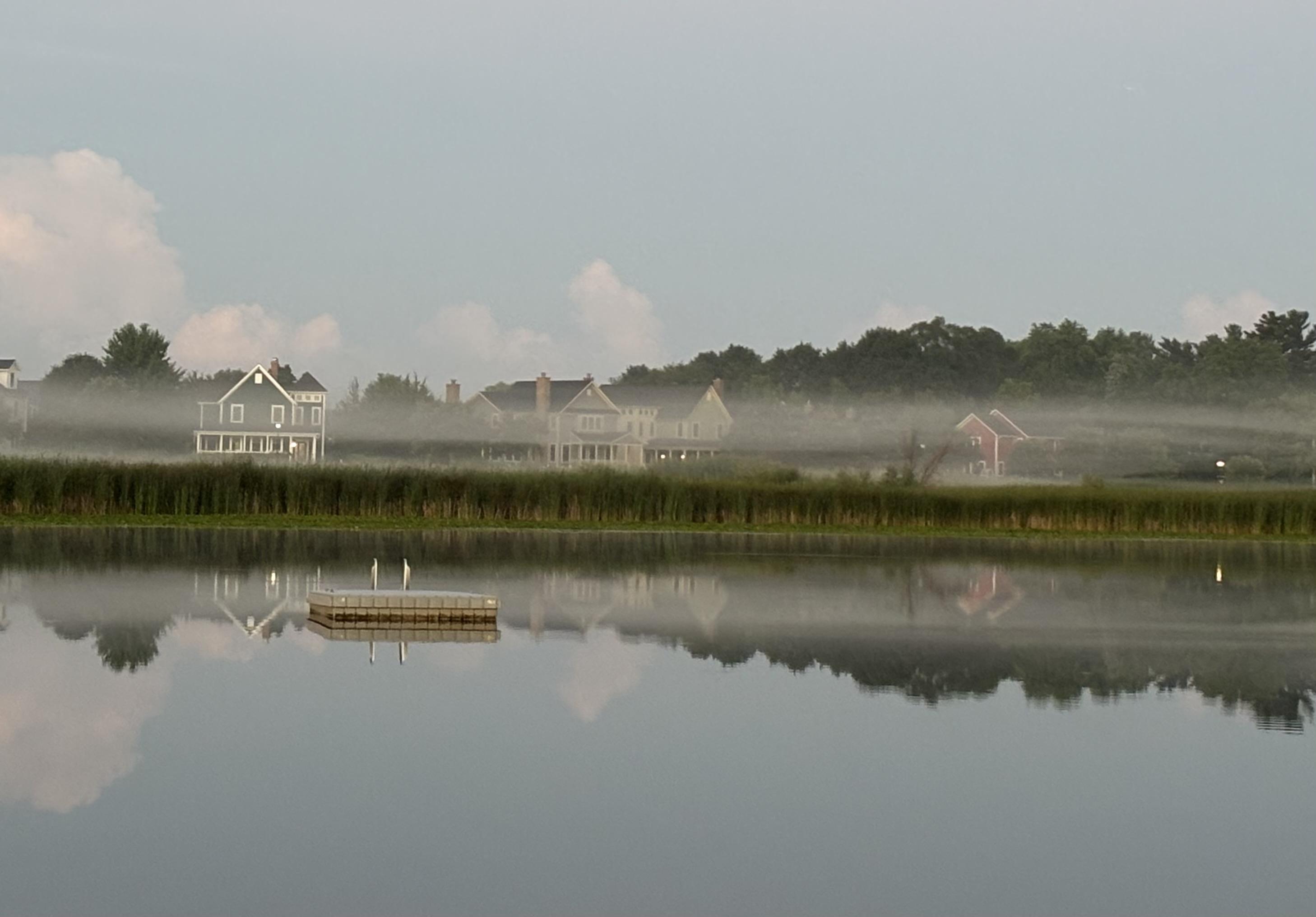
Lake Leopold is a 20 acre lake excavated from local farmland in 1995 and originally filled from the local freshwater aquifer. Since then its water has come from stormwater runoff off the surrounding subdivision.
Overflow is buffered by two outlet ponds, Second Pond at one acre and Third Pond at two, and runs into Bulls Brook, a dry creek in the Liberty Prairie. During dry spells the flow is stagnant with no overflow, and the lake has an estimated retention time of two to three years. At its headwaters is Sanctuary Pond, created as a habitat for several endangered and threatened fish species.
The lake has multiple uses. Its primary job is stormwater management, complemented by the view it gives the community, and it carries recreation too: light boating, sport fishing and swimming.
Water quality, treatments and ongoing stewardship work.
What the 2025 assessment found, and the documents behind it.

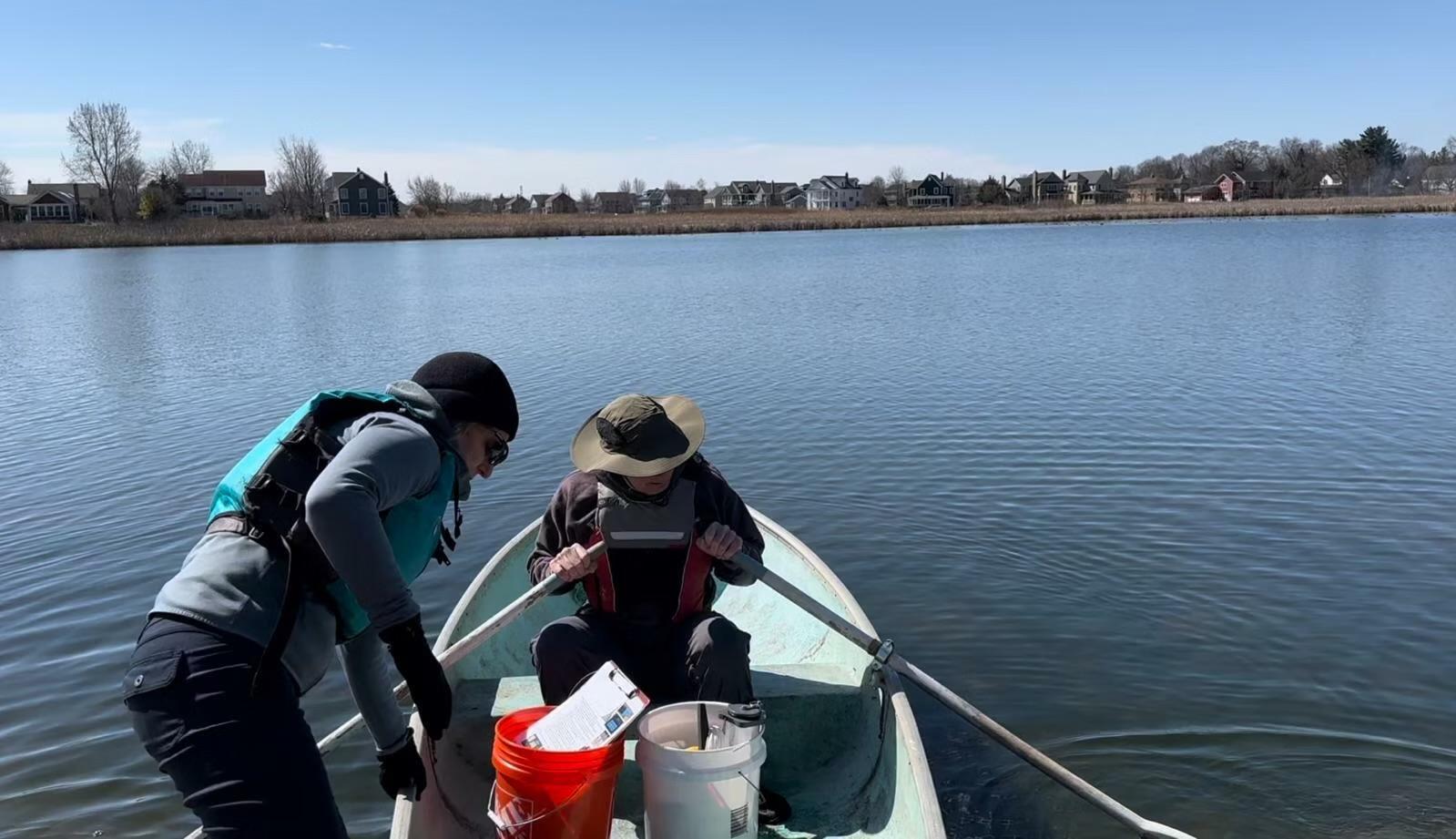
The most recent assessment was done in 2025 by PCHOA volunteers using equipment borrowed from Lake County Lake Lovers through a grant from Xylem YSI, by professionals from the association's environmental engineering partner Hey and Associates, and by staff from the aquatics partner ILM Environments.
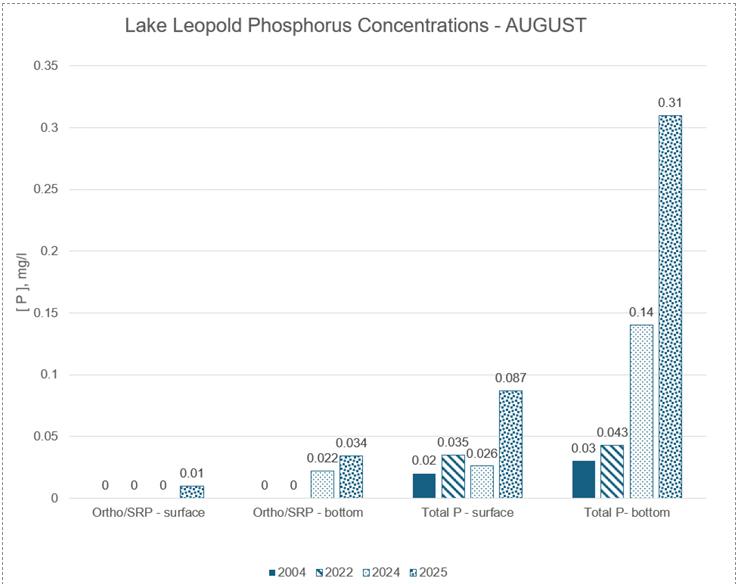
A presentation on the water quality findings was given at the 2026 Illinois Lake Management Association conference. It describes internal nutrient loading, which appears to be the key driver of the lake's condition, and will guide future treatment.

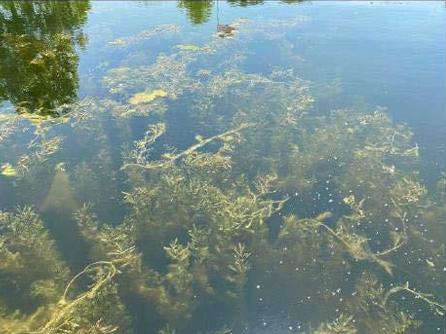
In addition to the water quality results, two aquatic plant surveys were conducted. These will guide future treatments to manage nutrients and invasive species, as well as suggest cultivation of native plant species. These build on the lake history from the 2022 Lake County study below. Disciplined monitoring of aquatic plant growth enables a more targeted treatment approach, which can limit the amount of chemicals used and more effectively control invasive species.

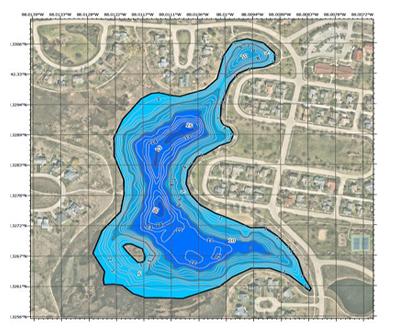
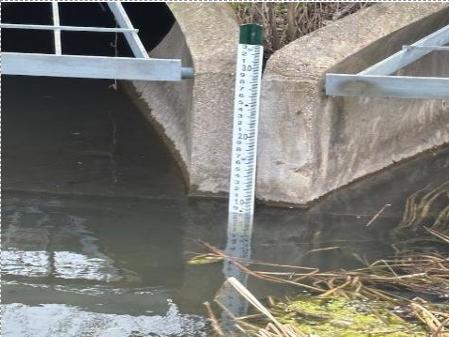
Over the course of time, an inland body of water may potentially age and evolve toward a bog or swamp. In the case of an unattended shallow lake, the time scale may be on the order of decades. In the case of a deeper and/or actively managed lake, the time scale may be on the order of centuries. As part of the stewardship of Lake Leopold and the ponds, bathymetric (depth) and sediment thickness studies have been periodically performed to monitor its condition, and staff gauges regularly monitor the depth of both Lake Leopold and Sanctuary Pond.


Sanctuary Pond effectively serves as the headwaters of Lake Leopold through its underground connection to North Bay, but its original purpose was as an experiment to demonstrate a level of aquatic biodiversity in a suburban environment. This award-winning project involved creating an aquatic habitat in an engineered basin for stormwater management
Sanctuary Pond Fisheries Article
Manuals, historical records and surveys that guide lake management.

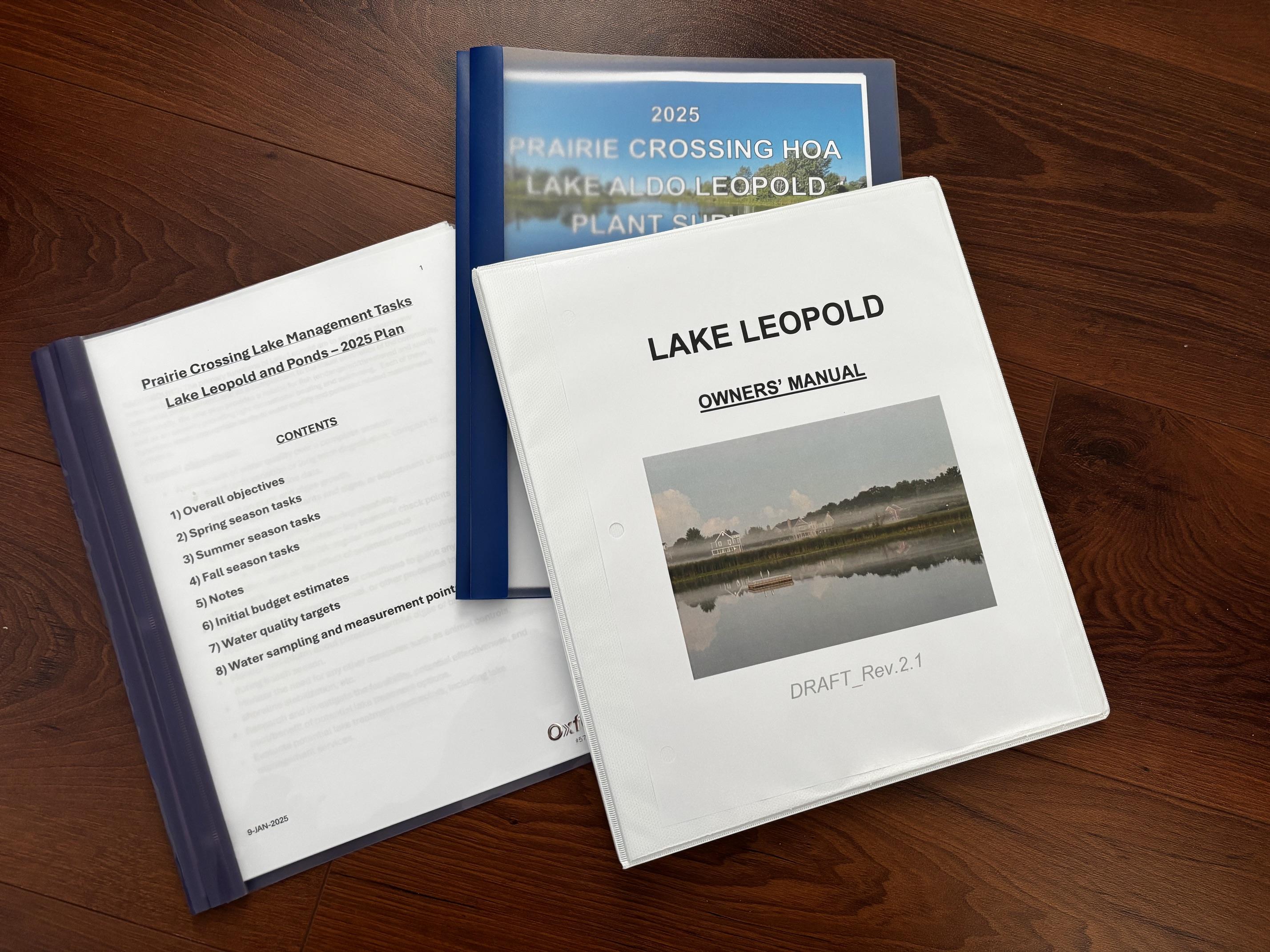
A lake management plan is in progress and will be published by the end of 2026. It will document the strategy and tactical implementation activities for both annual and long-term management of the lake and ponds.

An owners manual describing the lake activity needed to maintain water quality.
Open the manual
Lake County Health Department's ecological services team studied the lake through the 2022 season. The department assesses county lakes on a roughly five year rotation.
Open the LCHD 2022 Report
Monthly water quality measurements were taken for the lake's first ten years, 1995 to 2004. They are the baseline current conditions are compared against.
2004 10-year Summary Report
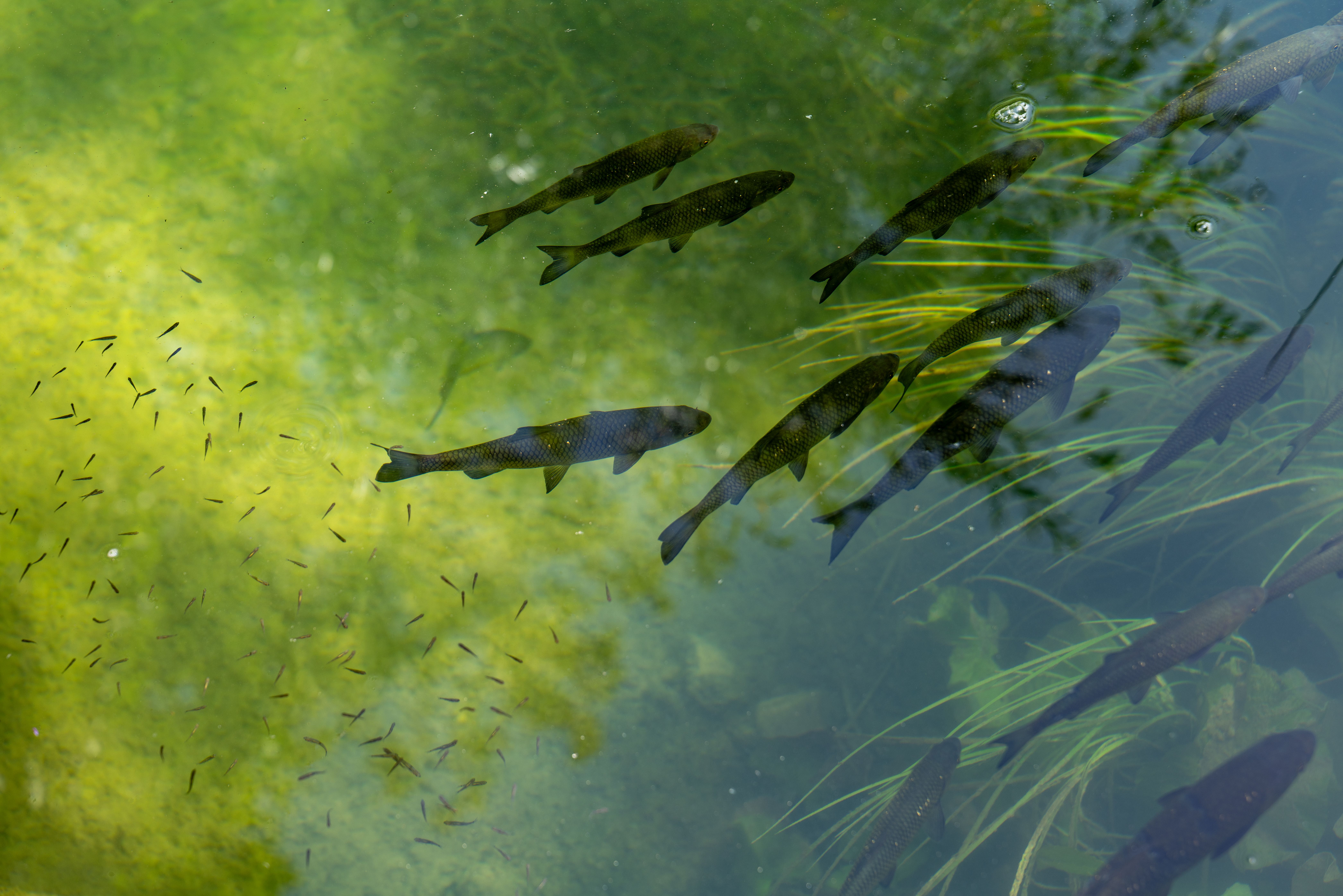
The most recent study of the fish population was done by PCHOA in 2024 to assess the environmental impact of dredging in compliance with an Incidental Take Agreement with the Illinois Department of Natural Resources. This was a limited study using seine nets in two shoreline locations. Similar methods were used in limited locations in 2023 to also assess the conditions of endangered and threatened species in Sanctuary Pond and Lake Leopold post-dredging. A complete study including sport fishery using both electrofishing and shoreline seining was last done in 2015.
View fishery reportsOn behalf of the Illinois Public Health Department, the Lake County Health Department's ecological services group measures bacteria at the Lake Leopold swimming beach twice a month through the swimming season, between Memorial Day and Labor Day. Results are reported on the Illinois Beach Guard website.
Like some other lakes in the county, the association also holds an account with LCHD laboratory services to measure bacteria after heavy rainfall, which washes material into the water and can create at-risk swimming conditions. The county lab runs the measurements; collecting the samples is the association's job. Testing process limitations may limit timing for reporting of test results while they are still relevant. Therefore, in order to reduce the risk from exposure to E.coli bacteria, residents are encouraged to follow the 48 hour rule: Avoid swimming in Lake Leopold for 48 hours after more than 1 inch of rainfall in a 24 hour period. Additional background can be found in the August 2026 issue of MeadowMix, “Understanding E. coli Risk and Testing”: Read the August 2026 MeadowMix issue.
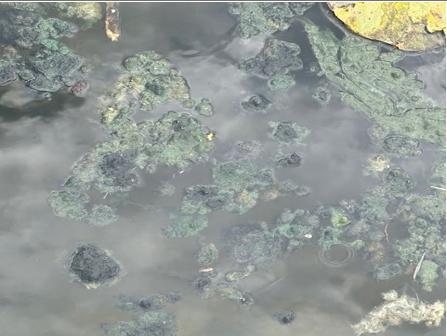
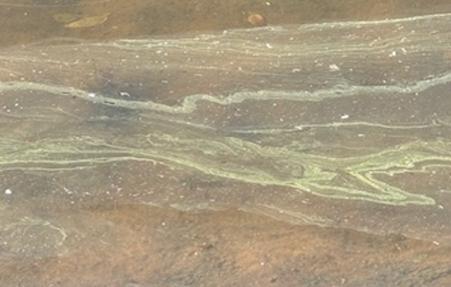
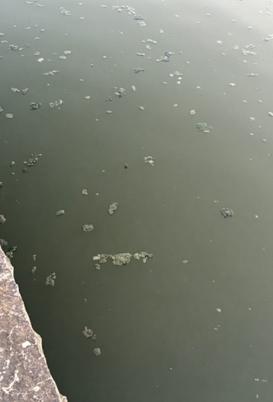
As a precaution, harmful algal bloom cyanotoxin tests are run weekly through the swimming season whenever algae and plants are flourishing. Volunteers perform the tests and report to the board and the property manager before the weekend. If conditions call for it, an email goes out to homeowners, and further laboratory testing is available through state and commercial labs.
Community awareness is an essential part of HAB management and residents are encouraged to become familiar with particular conditions that may be of concern. Please refer to the Lake County Health Department poster for further information and notify the property manager, Lake Management Committee, or Board with any observations that may be questionable or concerning.

If you notice concerning conditions in the water, call the property manager, Foster Premier, at (847) 459-1222. Only professional testing can confirm whether a harmful algal bloom is present.


Anyone is welcome to join the committee or volunteer. Select a member's name to open their address book profile.
Chair
Board liaison
Member
Member
Member
Member
Member
Past Chair